2026 में सेल्फ़-होस्ट करने के लिए OpenClaw के सबसे अच्छे विकल्प
OpenClaw के सात ओपन-सोर्स विकल्प, उन कारणों के हिसाब से रैंक किए गए जो लोगों को इससे दूर करते हैं: डिफ़ॉल्ट सैंडबॉक्स नहीं, बड़ा कोडबेस, टेलीमेट्री और हार्डवेयर।
एक नज़र में
| बॉट | लाइसेंस | चैट ऐप्स | |||||
|---|---|---|---|---|---|---|---|
| OpenClaw | MIT | 3.9 लाख | हाँ | नहीं | Telegram, WhatsApp, iMessage, Discord, Slack | मुफ़्त | |
| ZeroClaw | MIT OR Apache-2.0 | 33.3 हज़ार | हाँ | हाँ | Telegram, WhatsApp, Discord | मुफ़्त | |
| NanoClaw | MIT | 31.1 हज़ार | हाँ | हाँ | Telegram, WhatsApp, iMessage, Discord, Slack | मुफ़्त | |
| Hermes Agent | MIT | 2.6 लाख | हाँ | नहीं | Telegram, WhatsApp, iMessage, Discord, Slack | $20/माह से | |
| Rakazo | Apache-2.0 | 7.5 हज़ार | हाँ | हाँ | Telegram, WhatsApp, iMessage, Slack | $10/माह से | |
| NemoClaw | Apache-2.0 | 23 हज़ार | हाँ | हाँ | Telegram, Discord, Slack | मुफ़्त | |
| PicoClaw | MIT | 30.1 हज़ार | हाँ | नहीं | Telegram, WhatsApp, Discord, Slack | मुफ़्त | |
| nanobot | MIT | 49.9 हज़ार | हाँ | नहीं | Telegram, WhatsApp, Discord, Slack | मुफ़्त |


चेकलिस्ट
| OpenClaw | ZeroClaw | NanoClaw | Hermes Agent | Rakazo | NemoClaw | PicoClaw | nanobot | |
|---|---|---|---|---|---|---|---|---|
| ओपन-सोर्स लाइसेंस | हाँ | हाँ | हाँ | हाँ | हाँ | हाँ | हाँ | हाँ |
| लोकल मॉडल चलाता है | हाँ | हाँ | हाँ | हाँ | हाँ | हाँ | हाँ | हाँ |
| डिफ़ॉल्ट रूप से सैंडबॉक्स | नहीं | हाँ | हाँ | नहीं | हाँ | हाँ | नहीं | नहीं |
| डिफ़ॉल्ट रूप से कोई टेलीमेट्री नहीं | नहीं | हाँ | नहीं | हाँ | हाँ | नहीं | हाँ | हाँ |
| आपके चैट ऐप्स में रहता है | हाँ | हाँ | हाँ | हाँ | हाँ | हाँ | हाँ | हाँ |
| आपकी ग़ैरमौजूदगी में भी काम करता है | हाँ | हाँ | हाँ | हाँ | हाँ | हाँ | हाँ | हाँ |
OpenClaw डिफ़ॉल्ट ओपन-सोर्स एजेंट है: MIT लाइसेंस, 8 नवंबर 2026 तक 394,193 GitHub स्टार, 29 चैट चैनल और हर डेस्कटॉप व फ़ोन के लिए ऐप। विकल्प ढूँढने वाले ज़्यादातर लोग इससे नाख़ुश नहीं हैं कि यह क्या कर सकता है। उन्हें बेचैनी इस बात से है कि यह काम कैसे करता है।
लोग OpenClaw क्यों छोड़ते हैं
चार कारण सामने आते हैं, और इन्हीं से नीचे की रैंकिंग बनी।
डिफ़ॉल्ट रूप से कोई सैंडबॉक्स नहीं। OpenClaw की सैंडबॉक्सिंग शुरू से बंद रहती है, इसलिए एजेंट आपके होस्ट पर कमांड चलाता है, जब तक आप ख़ुद approvals या सैंडबॉक्स चालू न करें। इसे आपके ईमेल, मैसेज और थर्ड-पार्टी skills तक पहुँच के साथ जोड़ दें, तो प्रॉम्प्ट इंजेक्शन एक असली ख़तरा बन जाता है। इसके अपने मेंटेनर चेतावनी देते हैं कि यह ग़ैर-तकनीकी उपयोगकर्ताओं के लिए जोखिम भरा है। हम इसे क्या OpenClaw सुरक्षित है? में विस्तार से कवर करते हैं।
आकार और जटिलता। 142 आधिकारिक प्लगइन और 64 मॉडल व मीडिया प्रोवाइडर इसे सक्षम बनाते हैं, लेकिन यह भरोसा करने और अपडेट रखने के लिए बहुत सारा कोड है, और सेटअप कमांड लाइन की अपेक्षा करता है।
टेलीमेट्री। डिफ़ॉल्ट रूप से यह रोज़ प्रोजेक्ट के सर्वर से संपर्क करता है और आपका OpenClaw वर्शन, OS, Node.js वर्शन और CPU आर्किटेक्चर, साथ ही इंस्टॉलेशन काउंट और अपडेट रिपोर्ट भेजता है। यह मामूली है और update.checkOnStart: false इसे बंद कर देता है, लेकिन जब तक आप ऐसा न करें, यह चालू रहता है।
हार्डवेयर और रनटाइम। इसे Node 24.16+ या 26.1+ चाहिए, जो लैपटॉप पर ठीक है, लेकिन Raspberry Pi या राउटर पर उतना ठीक नहीं।
हमने विकल्पों को इस आधार पर रैंक किया कि वे इनमें से कितनी समस्याएँ हल करते हैं और फिर भी मुख्य काम करते हैं: एक हमेशा चालू एजेंट जिससे आप चैट ऐप से बात करते हैं।
1. ZeroClaw: “सुरक्षित डिफ़ॉल्ट वाले OpenClaw” के सबसे क़रीब
ZeroClaw चारों समस्याएँ हल करता है। यह एक अकेली Rust बाइनरी है जिसमें एक TOML कॉन्फ़िग फ़ाइल है, और यह macOS, Linux, Windows, FreeBSD, Android या Raspberry Pi पर चलता है। इसकी सुझाई गई Balanced प्रोफ़ाइल मध्यम-जोखिम वाले कामों से पहले पूछती है, उच्च-जोखिम वालों को रोकती है, फ़ाइल एक्सेस को workspace तक सीमित रखती है और टूल्स को OS सैंडबॉक्स में चलाती है (macOS पर Seatbelt, Linux पर Firejail)। इसके डॉक्स बताते हैं कि यह कोई टेलीमेट्री नहीं भेजता।
दिक़्क़त चैनलों की है: Slack, iMessage और Signal स्टैंडर्ड रिलीज़ में नहीं हैं, इसलिए आपको अतिरिक्त features के साथ सोर्स से बिल्ड करना पड़ता है। अगर आप WhatsApp, Telegram या Discord पर रहते हैं, तो इससे फ़र्क़ नहीं पड़ता। पूरी तुलना: ZeroClaw vs OpenClaw।

2. NanoClaw: असली कंटेनर आइसोलेशन, छोटा कोडबेस
NanoClaw OpenClaw के एक छोटे, कंटेनर-आइसोलेटेड रूप के तौर पर शुरू हुआ। हर एजेंट अपने Docker कंटेनर में चलता है और सिर्फ़ उन्हीं फ़ोल्डरों को देखता है जिन्हें आप माउंट करते हैं, और बाहर जाने वाली API कॉल एक क्रेडेंशियल गेटवे से होकर जाती हैं ताकि एजेंटों के पास कभी असली कीज़ न रहें। होस्ट एक Node प्रोसेस और कुछ गिनी-चुनी फ़ाइलें हैं।
यह दो कारणों से ZeroClaw से नीचे है: यह Claude और Claude Code के इर्द-गिर्द बना है (कस्टमाइज़ करने का मतलब है Claude Code से अपना fork एडिट करवाना, और कोई कॉन्फ़िग फ़ाइल नहीं है), और यह गुमनाम सेटअप डायग्नोस्टिक्स भेजता है जब तक आप NANOCLAW_NO_DIAGNOSTICS=1 सेट न करें। NanoClaw vs OpenClaw देखें।

3. Hermes Agent: सबसे आसान स्विच
Nous Research का Hermes Agent OpenClaw उपयोगकर्ताओं को ध्यान में रखकर बनाया गया है। यह एक कमांड में आपकी OpenClaw सेटिंग्स, मेमोरी और skills इम्पोर्ट कर लेता है, 20+ चैट प्लेटफ़ॉर्म कवर करता है, और इसके साझा मेट्रिक्स डिफ़ॉल्ट रूप से बंद हैं। यह एक ऐसी चीज़ भी जोड़ता है जिसे OpenClaw आगे नहीं रखता: जटिल कामों के बाद यह अपनी skills ख़ुद लिखता और सुधारता है।
हालाँकि यह सैंडबॉक्स की समस्या हल नहीं करता। टर्मिनल बैकएंड डिफ़ॉल्ट रूप से local है, और कंटेनर आइसोलेशन वैकल्पिक है। इसे टेलीमेट्री और features के लिए चुनें, सुरक्षा के लिए नहीं। ज़्यादा जानकारी Hermes vs OpenClaw में।

4. Rakazo: हर बॉट के लिए सैंडबॉक्स्ड कंप्यूटर
Rakazo, जिसे हम बनाते हैं, हर बॉट को ब्राउज़र, टर्मिनल और डेस्कटॉप वाला अपना सैंडबॉक्स्ड कंप्यूटर देता है, ताकि एजेंट के कमांड आपके होस्ट की जगह वहाँ चलें। यह Apache-2.0 है, सेल्फ़-होस्टेड इंस्टॉल कोई प्रोडक्ट एनालिटिक्स नहीं भेजता, और यह Ollama या LM Studio के ज़रिए लोकल मॉडल चलाता है। आप तय करते हैं कि किन कामों को आपकी मंज़ूरी चाहिए।
यह ऊपर के विकल्पों से भारी है (Compose के साथ Docker Engine), अभी beta में है, और Telegram, WhatsApp और iMessage सिर्फ़ सेल्फ़-होस्ट करने पर काम करते हैं।


5. NemoClaw: OpenClaw रखें, एक पिंजरा जोड़ें
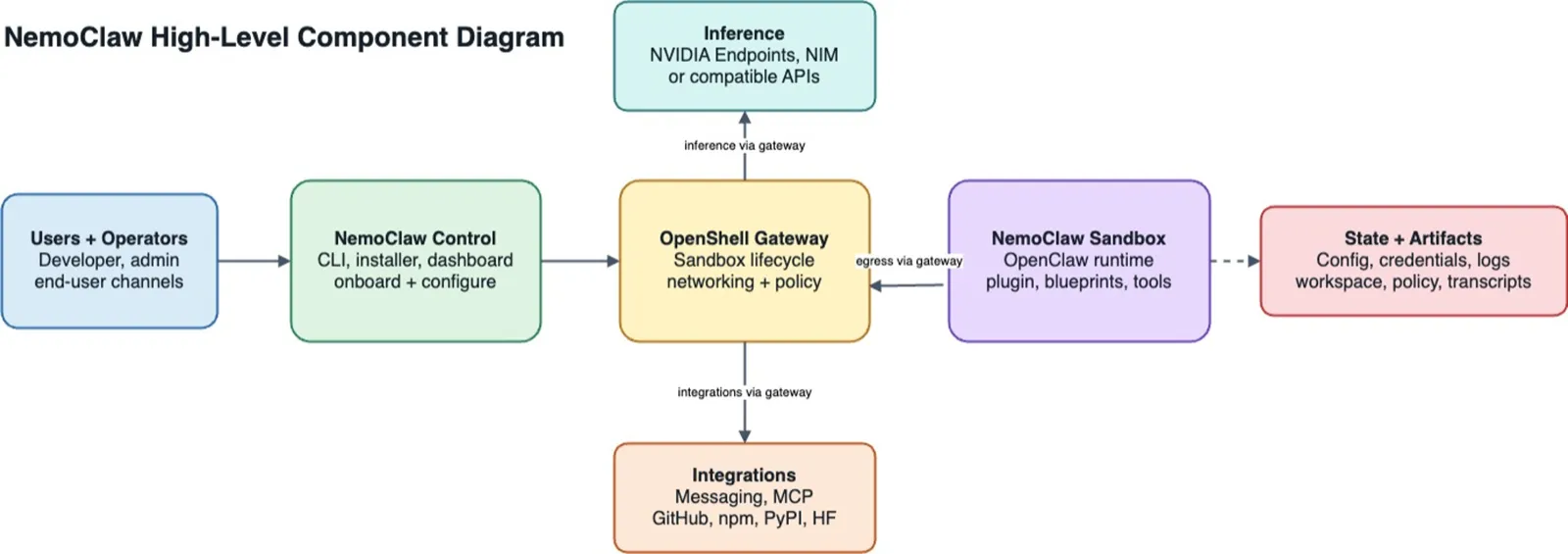
अगर आपको OpenClaw पसंद है और आपकी आपत्ति सिर्फ़ इस पर है कि यह आपकी मशीन पर खुला चलता है, तो NemoClaw NVIDIA का स्टैक है जो OpenClaw को OpenShell सैंडबॉक्स के अंदर चलाता है। बिना मंज़ूरी वाले नेटवर्क डेस्टिनेशन तब तक ब्लॉक रहते हैं जब तक कोई ऑपरेटर उन्हें मंज़ूर न करे, और क्रेडेंशियल सैंडबॉक्स के बाहर रहते हैं।
यह बाक़ी तीन शिकायतों को और बढ़ा देता है: कम से कम 8 GB RAM (16 GB सुझाया गया), एक कंटेनर रनटाइम, NVIDIA को टेलीमेट्री जब तक आप NEMOCLAW_DISABLE_TELEMETRY=1 सेट न करें, और alpha स्टेटस। NemoClaw vs OpenClaw देखें।
6. PicoClaw: छोटे हार्डवेयर के लिए
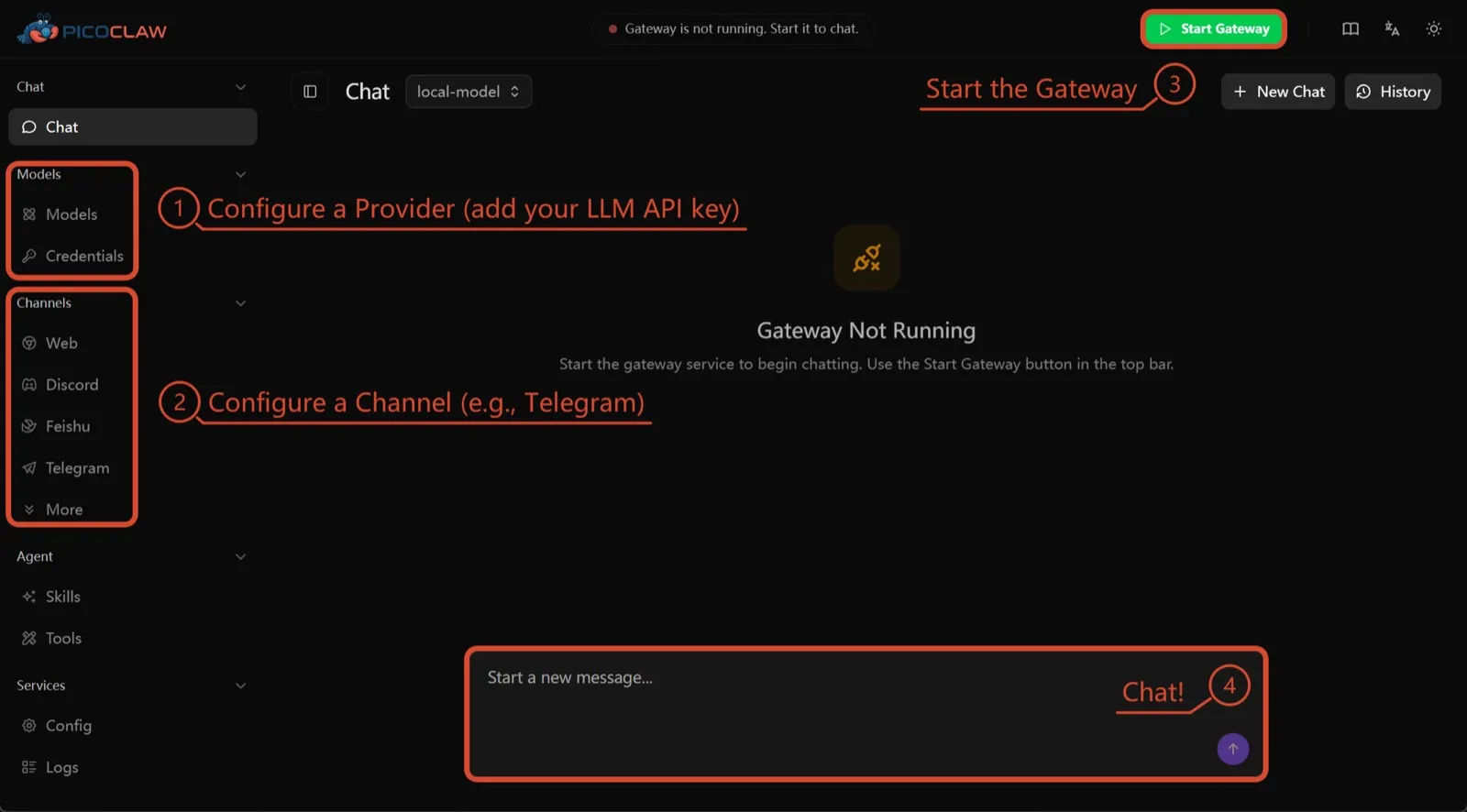
Sipeed का PicoClaw एक Go बाइनरी है जिसे कम से कम 10 MB ख़ाली RAM चाहिए (32 MB+ सुझाया गया) और यह x86, ARM, RISC-V और MIPS पर चलता है, जिसमें $10 के बोर्ड, राउटर और पुराने Android फ़ोन शामिल हैं। कोई टेलीमेट्री दर्ज नहीं है और लगभग 19 चैट चैनल सपोर्ट होते हैं।
यह यहाँ सिर्फ़ हार्डवेयर की वजह से है। प्रोसेस आइसोलेशन डिफ़ॉल्ट रूप से बंद है, और प्रोजेक्ट ख़ुद कहता है कि v1.0 से पहले इसे प्रोडक्शन में इस्तेमाल न करें।
7. nanobot: छोटा, पढ़ने लायक Python
University of Hong Kong की Data Intelligence Lab का nanobot एक कॉम्पैक्ट Python एजेंट है जिसमें सुघड़ ब्राउज़र UI, टर्मिनल UI, शेड्यूल्ड ऑटोमेशन और कई चैट चैनल हैं। इसमें कोई टेलीमेट्री नहीं है और यह Ollama, vLLM या LM Studio के साथ काम करता है।
OpenClaw की तरह, इसके शेल कमांड तब तक सैंडबॉक्स नहीं होते जब तक आप bubblewrap या Seatbelt चालू न करें, और Windows पर कोई सैंडबॉक्स है ही नहीं। अगर आप ऐसा कोड चाहते हैं जिसे एक दोपहर में पढ़ा जा सके, तो इसे चुनें।

कौन सा चुनें
- सुरक्षित डिफ़ॉल्ट और बिना टेलीमेट्री के OpenClaw वाला काम चाहिए: ZeroClaw।
- हर एजेंट कंटेनर में चाहिए और Claude Code से परहेज़ नहीं: NanoClaw।
- अपना OpenClaw सेटअप रखना है और टेलीमेट्री बंद करनी है: Hermes Agent।
- OpenClaw ख़ुद रखना है, सैंडबॉक्स में, और RAM पर्याप्त है: NemoClaw।
- किसी बोर्ड या पुराने फ़ोन पर चला रहे हैं: PicoClaw।
ऐसी व्यापक सूची के लिए जो OpenClaw के इर्द-गिर्द न बनी हो, सबसे अच्छे सेल्फ़-होस्टेड AI एजेंट देखें।
विकल्प
Personal AI agent in one Rust binary, MIT or Apache-2.0, with local or cloud models, 30+ channels, approval gates and an OS sandbox on by default.
Meets every check: one Rust binary, approval gates and an OS sandbox on by default, no telemetry, local models.
ZeroClaw पर जाएँखूबियाँ
- Safe defaults: the recommended profile asks before medium-risk actions, blocks high-risk ones, keeps files in the workspace and runs tools in an OS sandbox
- One small Rust binary with one config file, running on macOS, Linux, Windows and boards like a Raspberry Pi
- More than 30 channels, plus a web dashboard for chat, memory, config and cron
- Provider fallback chains, local models through Ollama, and cryptographic receipts for tool calls
- States plainly that it sends no telemetry and needs no cloud account or license server
कमियाँ
- Slack, iMessage, Signal and several other channels are not in the standard release; you build from source with extra features to get them
- `zeroclaw quickstart` only sets up the model provider; channels and risk profiles mean editing the TOML config file
- The Docker sandbox backend isn't picked automatically under the default native runtime
- Model costs are on you
Small, MIT-licensed OpenClaw alternative that runs each agent in its own Docker container and chats with you on WhatsApp, Telegram, Slack, Discord and more.
Every agent in its own container and a tiny codebase, but tied to Claude Code and sends setup diagnostics by default.
NanoClaw पर जाएँखूबियाँ
- Every agent runs in its own Docker container and sees only the folders you mount, so shell access stays off your host
- Small codebase (one host process and a handful of files) that you customize by having Claude Code edit your fork
- Agents never hold raw API keys: outbound calls go through a credential gateway with per-agent policies and rate limits
- Many chat channels, including WhatsApp, Telegram, Slack, Discord, iMessage, Teams, Matrix and email, with one or several agents per channel
- Scheduled tasks with optional script gates that skip waking the agent when there's nothing to do
कमियाँ
- Built around Claude and Claude Code: customizing, debugging and adding channels all go through Claude Code
- Sends anonymous setup diagnostics unless you set NANOCLAW_NO_DIAGNOSTICS=1
- No config files by design, so every change means editing code in your own fork
- Needs Docker, and Windows only works through WSL2
Free, MIT-licensed AI agent from Nous Research that runs on your own machine or server, learns reusable skills, and chats with you on Telegram, Slack and more.
MIT licensed, no telemetry and lives in your chat apps, but commands aren't sandboxed by default.
Hermes Agent पर जाएँखूबियाँ
- Free and MIT licensed, and runs on hardware you control
- Writes and refines its own skills from experience, on top of persistent memory and cross-session search
- One gateway for 20+ chat platforms, including Telegram, Discord, Slack, WhatsApp, Signal and email
- Run several separate agents as profiles, each with its own model, memory and skills, and let them talk in group chats
- Model-agnostic, with a one-command import from OpenClaw
कमियाँ
- Setup expects comfort with the command line and with running your own server
- Model costs are on you unless you use free models, and hosted web search, images and speech need a paid Nous Portal plan or your own keys
- iMessage needs a separate BlueBubbles server on a Mac
- No native mobile app; Android support is a command-line install through Termux
Open-source, self-hostable platform for persistent AI bots that each get a job, a computer, memory and routines, using the model you choose.
Our own product. Meets every check: Apache-2.0, sandboxed bot computers, no telemetry by default, any model you connect.
Rakazo पर जाएँखूबियाँ
- Open source (Apache-2.0) and fully self-hostable, including with local models
- Choice of model per bot, including existing Claude or ChatGPT subscriptions
- Bots keep working on schedules and triggers with their own cloud computer
- Approval controls over which actions a bot may take on its own
कमियाँ
- Still in beta, with frequent releases
- You supply and pay for the model on the hosted plans, unless you buy Rakazo credits
- Telegram, WhatsApp and iMessage/SMS are only available when self-hosted
- More setup than a single chat app
NVIDIA's Apache-2.0 stack for running OpenClaw, Hermes or Deep Agents inside locked-down OpenShell sandboxes with managed inference. Alpha.
Puts OpenClaw or Hermes in a locked-down sandbox, but it's alpha, heavy to run and sends telemetry by default.
NemoClaw पर जाएँखूबियाँ
- Puts OpenClaw or Hermes Agent in a sandbox with network, filesystem and process controls instead of running it on your host
- Unapproved network destinations are blocked and surfaced for an operator to approve
- Inference, messaging and MCP credentials stay outside the sandbox
- Backed by NVIDIA, with local inference through Ollama, vLLM or NIM and a tested path on DGX Spark
कमियाँ
- Alpha: maintainers support it on a best-effort basis, and several channels are experimental
- A wrapper, not an agent: what the bot can do depends on the OpenClaw or Hermes version inside
- Heavier than running the agent alone: 8 GB RAM minimum, a 2.4 GB sandbox image and a container runtime
- The CLI sends operation telemetry to NVIDIA unless you set NEMOCLAW_DISABLE_TELEMETRY=1
Free, MIT-licensed personal AI agent written in Go that runs as one small binary on cheap boards, old phones and PCs, and chats on Telegram, Discord and more.
Runs on cheap boards in a few dozen MB of RAM with no telemetry, but it's pre-1.0 and commands aren't sandboxed by default.
PicoClaw पर जाएँखूबियाँ
- Tiny footprint: one Go binary that Sipeed says boots in under a second and needs only 10 to 20 MB of RAM
- Runs on hardware others can't, from $10 RISC-V boards and routers to old Android phones
- About 19 chat channels, including Telegram, Discord, Slack, WhatsApp, Matrix, LINE and Delta Chat
- Web search works without an API key through a built-in DuckDuckGo fallback
- Heartbeat check-ins, cron reminders, MCP tools and routing between several agents
कमियाँ
- The project warns it is in early rapid development, may have unresolved security issues, and should not be used in production before v1.0
- The default workspace restriction only checks paths; true process isolation is off by default and implemented only on Linux and Windows
- Native WhatsApp needs a custom build or a separate bridge
- No built-in image generation, and voice messages are only transcribed if you add a provider such as Groq
Free, MIT-licensed personal AI agent in Python with a browser UI and terminal app, scheduled tasks, memory, and chat on Telegram, Discord, Slack and more.
Small, readable Python with a good web UI and no telemetry, but shell commands aren't sandboxed by default.
nanobot पर जाएँखूबियाँ
- Free and MIT licensed, with a small Python core that is meant to be read and modified
- Polished bundled WebUI with projects, file diffs, an MCP app catalog and an automations calendar, plus a terminal UI
- Many chat channels, including Telegram, Discord, Slack, WhatsApp, WeChat, Feishu, Teams, Matrix and email
- Scheduled automations, long-running goals and a heartbeat that reports only useful results to your last chat
- Works with local models through Ollama, vLLM or LM Studio
कमियाँ
- Shell commands are not sandboxed by default; the bubblewrap or macOS Seatbelt sandbox must be turned on, and Windows has none
- Model costs are on you, and voice messages need a separate transcription provider such as Groq or OpenAI
- No native mobile or desktop app; on a phone you use the WebUI in a browser or a chat app
- Missed scheduled runs are not replayed and interrupted subagent tasks are not relaunched after a restart
फ़ीचर
| OpenClaw | ZeroClaw | NanoClaw | Hermes Agent | Rakazo | NemoClaw | PicoClaw | nanobot | |
|---|---|---|---|---|---|---|---|---|
| वेब सर्च | हाँ | हाँ | हाँ | हाँ | हाँ | हाँ | हाँ | हाँ |
| इमेज बनाना | हाँ | हाँ | अज्ञात | हाँ | हाँ | अज्ञात | नहीं | हाँ |
| वॉइस मोड | हाँ | हाँ | अज्ञात | हाँ | हाँ | अज्ञात | हाँ | हाँ |
| फ़ाइल अपलोड | हाँ | हाँ | हाँ | हाँ | हाँ | अज्ञात | हाँ | हाँ |
| मेमोरी | हाँ | हाँ | हाँ | हाँ | हाँ | अज्ञात | हाँ | हाँ |
| आपके लिए काम करता है | हाँ | हाँ | हाँ | हाँ | हाँ | हाँ | हाँ | हाँ |
| ऐप इंटीग्रेशन | हाँ | हाँ | हाँ | हाँ | हाँ | हाँ | हाँ | हाँ |
| खुद से काम करता है | हाँ | हाँ | हाँ | हाँ | हाँ | हाँ | हाँ | हाँ |
| पहले ख़ुद मैसेज करता है | हाँ | हाँ | हाँ | हाँ | हाँ | अज्ञात | हाँ | हाँ |
| कई बॉट | हाँ | हाँ | हाँ | हाँ | हाँ | अज्ञात | हाँ | हाँ |
स्रोत
OpenClaw
- OpenClaw homepage and Foundation section
- OpenClaw integrations: channels, providers and plugins
- openclaw/openclaw on GitHub (MIT, v2026.11.1)
- OpenClaw docs: Sandboxing (off by default)
- Wikipedia: OpenClaw
- Notebookcheck: OpenClaw can burn through hundreds of dollars per day
- OpenClaw docs: Memory overview
- OpenClaw docs: Automations
- OpenClaw docs: Chat channels
- OpenClaw docs: iMessage
- OpenClaw docs: Heartbeat, now a default Proactive check job
- OpenClaw docs: Multi-agent routing
- OpenClaw docs: Platforms (macOS, Windows, Linux, iOS and Android apps)
- OpenClaw docs: Tools (exec, browser, web search)
- OpenClaw docs: Audio and voice notes (inbound transcription)
- OpenClaw docs: Image and media support (inbound media)
- OpenClaw docs: Install (system requirements, installer script, npm, desktop apps, Docker)
- OpenClaw docs: One-click deploy on Railway
- OpenClaw docs: Usage telemetry and update checks (on by default, feature statistics opt-in)
- OpenClaw docs: Ollama provider (local models)
ZeroClaw
- zeroclaw-labs/zeroclaw on GitHub (MIT OR Apache-2.0, v0.8.7, README)
- ZeroClaw website
- ZeroClaw docs: Sandboxing
- ZeroClaw source: risk presets (Balanced, recommended, has the sandbox on)
- ZeroClaw docs: Channels overview (default and standard release bundles)
- ZeroClaw docs: You own it (no telemetry)
- ZeroClaw docs: Docker and containers
- ZeroClaw source: tools (image generation, screenshot, web)
NanoClaw
Hermes Agent
- NousResearch/hermes-agent on GitHub (MIT, v0.23.0)
- Hermes Agent homepage and Nous Portal pricing
- Hermes Agent documentation
- Hermes Agent docs: Profiles, running multiple agents
- Hermes Agent docs: Bot Mode
- Hermes Agent docs: Voice mode
- Hermes Agent docs: Vision and image paste
- Hermes Agent docs: iMessage via BlueBubbles
- Nous Research on X: Meet Hermes Agent (February 25, 2026)
- Hermes Agent docs: Session heartbeats and cron watchdogs
- Hermes Agent docs: FAQ (Is my data sent anywhere?)
- Hermes Agent docs: Installation (desktop packages, install script, Docker)
- Hermes Agent docs: Platform support (no Linux desktop package; PyPI installs unsupported)
- Hermes Agent docs: Docker setup
- Hermes Agent docs: Configuration (terminal backend defaults to local)
- Hermes Agent docs: Security (approval modes, optional container isolation)
- Hermes Agent docs: Local models
- Hermes Agent example config (shared metrics off by default)
Rakazo
- Rakazo homepage
- Rakazo pricing
- Rakazo privacy policy
- Rakazo on GitHub (README and license)
- Rakazo changelog
- Rakazo releases
- Rakazo docs: Image and video generation
- Rakazo docs: Memory
- Rakazo docs: Connect apps
- Rakazo docs: Routines
- Rakazo docs: Chat apps
- Rakazo docs: Messaging apps (self-hosting)
- Rakazo docs: Bots and chats (add another bot, bot templates)
- Rakazo docs: Groups (several bots in one chat)
- Rakazo docs: Mobile app (notifications)
- Rakazo privacy policy (updated Sep 14, 2026)
- Rakazo privacy policy source on GitHub
- Rakazo docs: Logs and monitoring (product analytics off by default)
- Rakazo docs: Desktop app (run locally in Docker, updates)
- Rakazo docs: Docker computers
- Rakazo docs: Self-hosted models (Ollama, LM Studio)
- Rakazo Railway template setup guide
NemoClaw
- NVIDIA/NemoClaw on GitHub (Apache-2.0, README: supported agents, alpha status)
- NemoClaw docs: Overview
- NemoClaw docs: Prerequisites and platforms
- NemoClaw docs: Choose an inference provider (Ollama, vLLM, NIM)
- NemoClaw docs index: messaging channels (WhatsApp, Teams, Google Chat, WeChat experimental)
- NemoClaw source: telemetry delivery and NEMOCLAW_DISABLE_TELEMETRY
PicoClaw
- sipeed/picoclaw on GitHub (MIT, README with security notice and channel list)
- PicoClaw releases (v0.0.1 on February 9, 2026; v0.3.1 on July 3, 2026)
- PicoClaw official website and downloads
- PicoClaw docs: Configuration (workspace restriction, heartbeat, voice, multi-agent routing)
- PicoClaw source: subprocess isolation, disabled by default
- PicoClaw docs: Tools configuration (web search, exec, cron, MCP, skills)
- PicoClaw docs: Chat apps (WhatsApp native build or bridge)
- PicoClaw docs: Hardware compatibility and minimum requirements
- PicoClaw docs: Docker
nanobot
- HKUDS/nanobot on GitHub (MIT, v0.4.1, README)
- nanobot documentation
- nanobot release archive (officially launched February 2, 2026)
- nanobot docs: Chat apps
- nanobot docs: Providers and models (Ollama, vLLM, LM Studio)
- nanobot docs: Configuration (security, exec sandbox off by default, transcription, Langfuse)
- nanobot docs: Automations and heartbeat
- nanobot docs: Concepts (heartbeat delivery, subagent recovery)
- nanobot docs: Memory and Dream
- nanobot docs: Multiple instances
- nanobot docs: Deployment (Docker, services, Render)
- nanobot source: skills installer runs with DISABLE_TELEMETRY