2026년 셀프 호스팅할 만한 최고의 OpenClaw 대안
기본 샌드박스 없음, 큰 코드베이스, 텔레메트리, 하드웨어 요구 사항 등 사람들이 OpenClaw를 떠나는 이유를 기준으로 순위를 매긴 7개 오픈소스 대안.
한눈에 보기
| 봇 | 라이선스 | 메신저 앱 | |||||
|---|---|---|---|---|---|---|---|
| OpenClaw | MIT | 39.4만 | 예 | 아니요 | Telegram, WhatsApp, iMessage, Discord, Slack | 무료 | |
| ZeroClaw | MIT OR Apache-2.0 | 3.3만 | 예 | 예 | Telegram, WhatsApp, Discord | 무료 | |
| NanoClaw | MIT | 3.1만 | 예 | 예 | Telegram, WhatsApp, iMessage, Discord, Slack | 무료 | |
| Hermes Agent | MIT | 26.2만 | 예 | 아니요 | Telegram, WhatsApp, iMessage, Discord, Slack | 월 US$20부터 | |
| Rakazo | Apache-2.0 | 7.5천 | 예 | 예 | Telegram, WhatsApp, iMessage, Slack | 월 US$10부터 | |
| NemoClaw | Apache-2.0 | 2.3만 | 예 | 예 | Telegram, Discord, Slack | 무료 | |
| PicoClaw | MIT | 3만 | 예 | 아니요 | Telegram, WhatsApp, Discord, Slack | 무료 | |
| nanobot | MIT | 5만 | 예 | 아니요 | Telegram, WhatsApp, Discord, Slack | 무료 |


체크리스트
OpenClaw는 기본 오픈소스 에이전트입니다. MIT 라이선스에 2026년 11월 8일 기준 GitHub 스타 394,193개, 29개 채팅 채널, 그리고 모든 데스크톱과 휴대폰용 앱이 있습니다. 대안을 찾는 사람들 대부분은 OpenClaw가 할 수 있는 일에 불만이 있는 것이 아닙니다. 그 일을 하는 방식이 불안한 것입니다.
사람들이 OpenClaw를 떠나는 이유
네 가지 이유가 자주 나오며, 아래 순위도 이를 기준으로 정했습니다.
기본 샌드박스 없음. OpenClaw의 샌드박싱은 기본적으로 꺼져 있어, 승인이나 샌드박스를 직접 켜지 않으면 에이전트가 호스트에서 명령을 실행합니다. 여기에 이메일, 메시지, 서드파티 스킬에 대한 접근까지 더해지면 프롬프트 인젝션이 실제 위험이 됩니다. 메인테이너들도 비기술 사용자에게는 위험하다고 경고합니다. 자세한 내용은 OpenClaw는 안전한가?에서 다룹니다.
규모와 복잡성. 142개의 공식 플러그인과 64개의 모델 및 미디어 제공자 덕분에 기능은 강력하지만, 신뢰하고 최신 상태로 유지해야 할 코드가 많고 설정도 명령줄을 전제로 합니다.
텔레메트리. 기본적으로 매일 프로젝트 서버에 접속하여 OpenClaw 버전, OS, Node.js 버전, CPU 아키텍처와 함께 설치 수와 업데이트 보고를 보냅니다. 사소한 수준이고 update.checkOnStart: false로 끌 수 있지만, 끄기 전까지는 켜져 있습니다.
하드웨어와 런타임. Node 24.16+ 또는 26.1+가 필요합니다. 노트북에서는 괜찮지만 Raspberry Pi나 라우터에서는 그다지 괜찮지 않습니다.
대안들은 채팅 앱에서 대화하는 상시 실행 에이전트라는 핵심 기능을 유지하면서 이 문제들을 얼마나 많이 해결하는지를 기준으로 순위를 매겼습니다.
1. ZeroClaw: “안전한 기본값을 갖춘 OpenClaw”에 가장 가까운 것
ZeroClaw는 네 가지를 모두 해결합니다. TOML 설정 파일 하나를 쓰는 단일 Rust 바이너리이며, macOS, Linux, Windows, FreeBSD, Android, Raspberry Pi에서 실행됩니다. 권장 Balanced 프로필은 중간 위험 작업 전에 확인을 요청하고, 고위험 작업은 차단하며, 파일 접근을 워크스페이스로 제한하고, 도구를 OS 샌드박스(macOS에서는 Seatbelt, Linux에서는 Firejail)에서 실행합니다. 문서에는 텔레메트리를 보내지 않는다고 명시되어 있습니다.
단점은 채널입니다. Slack, iMessage, Signal은 표준 릴리스에 포함되지 않아 추가 기능을 넣어 소스에서 빌드해야 합니다. WhatsApp, Telegram, Discord를 주로 쓴다면 상관없습니다. 전체 비교: ZeroClaw vs OpenClaw.

2. NanoClaw: 진짜 컨테이너 격리, 작은 코드베이스
NanoClaw는 OpenClaw를 더 작고 컨테이너로 격리된 형태로 다시 만든 것에서 시작했습니다. 각 에이전트는 자체 Docker 컨테이너에서 실행되어 마운트한 폴더만 볼 수 있고, 외부 API 호출은 자격 증명 게이트웨이를 거치므로 에이전트가 원시 키를 보유하지 않습니다. 호스트는 Node 프로세스 하나와 몇 개의 파일입니다.
ZeroClaw보다 순위가 낮은 이유는 두 가지입니다. Claude와 Claude Code를 중심으로 만들어졌고(커스터마이즈는 Claude Code가 포크를 수정하게 하는 방식이며 설정 파일이 없습니다), NANOCLAW_NO_DIAGNOSTICS=1을 설정하지 않으면 익명 설정 진단 정보를 보냅니다. NanoClaw vs OpenClaw를 참고하세요.

3. Hermes Agent: 가장 쉬운 전환
Nous Research의 Hermes Agent는 OpenClaw 사용자를 염두에 두고 만들어졌습니다. 명령 하나로 OpenClaw 설정, 메모리, 스킬을 가져오고, 20개 이상의 채팅 플랫폼을 지원하며, 공유 지표는 기본적으로 꺼져 있습니다. 또한 OpenClaw가 앞세우지 않는 기능도 더합니다. 복잡한 작업 후에 스스로 스킬을 작성하고 다듬습니다.
하지만 샌드박스 문제는 해결하지 않습니다. 터미널 백엔드의 기본값은 local이고 컨테이너 격리는 선택 사항입니다. 안전성이 아니라 텔레메트리와 기능을 보고 선택하세요. 자세한 내용은 Hermes vs OpenClaw를 참고하세요.

4. Rakazo: 봇마다 샌드박스 컴퓨터
저희가 만드는 Rakazo는 각 봇에 브라우저, 터미널, 데스크톱이 있는 자체 샌드박스 컴퓨터를 제공하므로, 에이전트 명령이 호스트가 아닌 그곳에서 실행됩니다. Apache-2.0이고, 셀프 호스팅 설치는 제품 분석 데이터를 보내지 않으며, Ollama나 LM Studio를 통해 로컬 모델을 실행합니다. 어떤 작업에 승인이 필요한지는 직접 정합니다.
위의 선택지들보다 무겁고(Docker Engine과 Compose 필요), 아직 베타이며, Telegram, WhatsApp, iMessage는 셀프 호스팅할 때만 작동합니다.


5. NemoClaw: OpenClaw는 유지하고 울타리를 추가
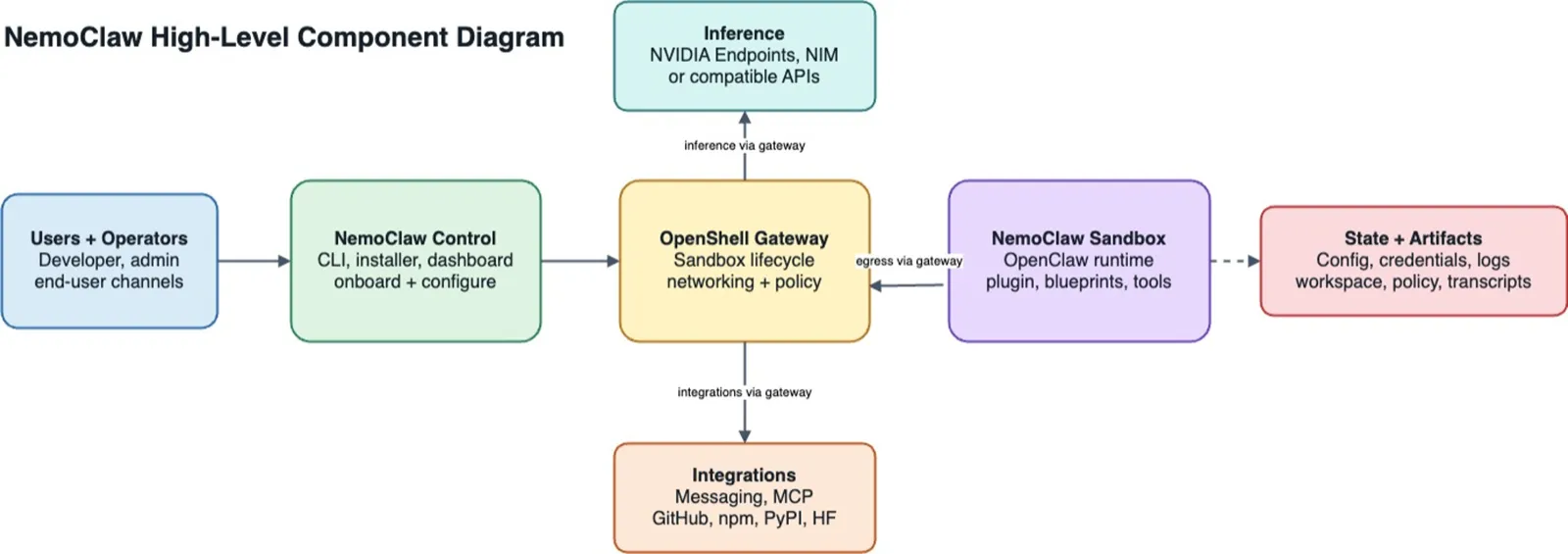
OpenClaw가 마음에 들고 단지 컴퓨터에서 제약 없이 실행되는 것만 문제라면, NemoClaw는 OpenShell 샌드박스 안에서 OpenClaw를 실행하는 NVIDIA의 스택입니다. 승인되지 않은 네트워크 목적지는 운영자가 승인할 때까지 차단되고, 자격 증명은 샌드박스 밖에 머뭅니다.
나머지 세 가지 불만은 오히려 악화시킵니다. 최소 8 GB RAM(16 GB 권장), 컨테이너 런타임, NEMOCLAW_DISABLE_TELEMETRY=1을 설정하지 않으면 NVIDIA로 보내는 텔레메트리, 그리고 알파 상태입니다. NemoClaw vs OpenClaw를 참고하세요.
6. PicoClaw: 아주 작은 하드웨어용
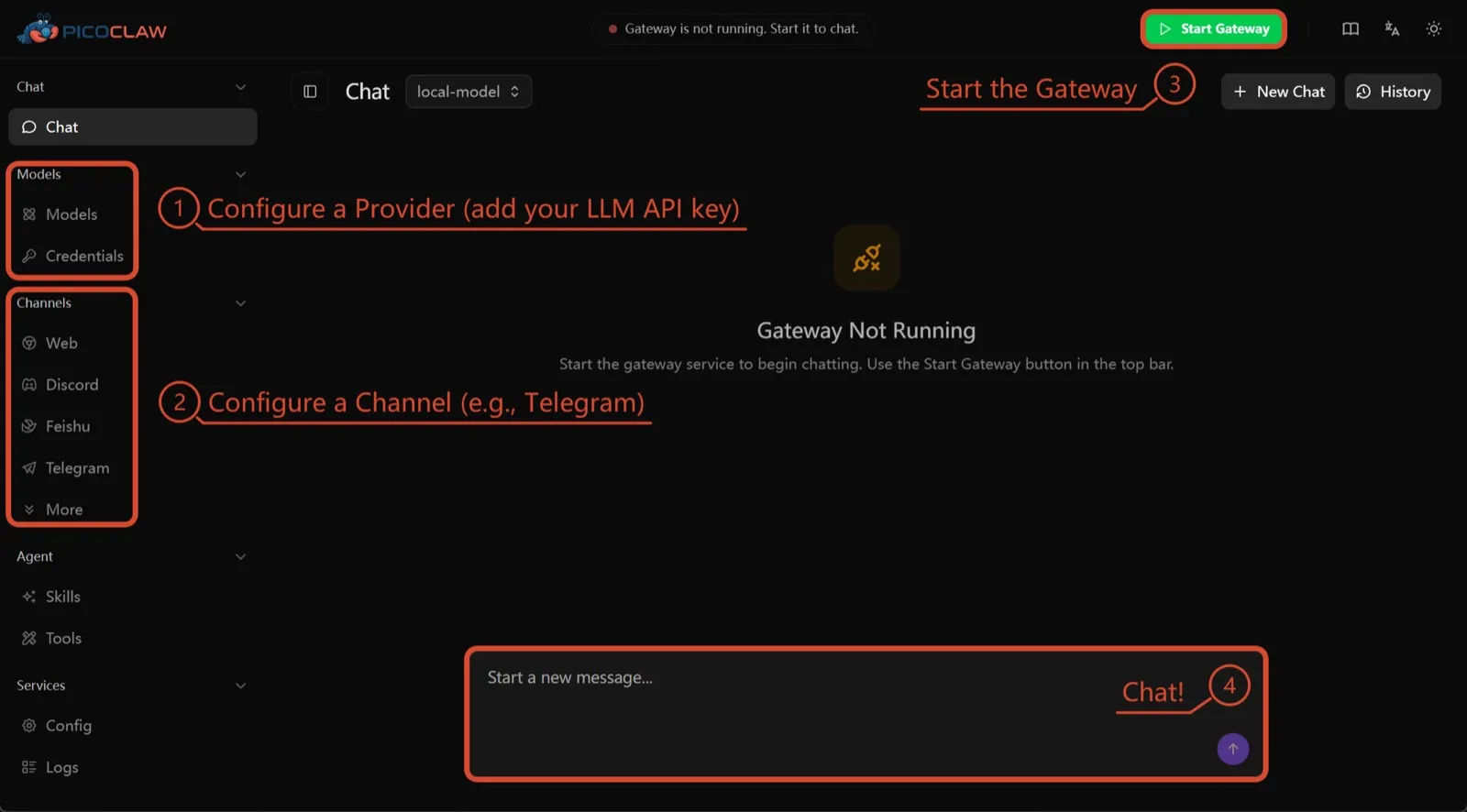
Sipeed의 PicoClaw는 최소 10 MB의 여유 RAM(32 MB+ 권장)만 있으면 되는 Go 바이너리 하나로, x86, ARM, RISC-V, MIPS에서 실행되며 $10짜리 보드, 라우터, 오래된 Android 휴대폰도 포함됩니다. 문서화된 텔레메트리가 없고 약 19개의 채팅 채널을 지원합니다.
여기에 포함된 이유는 오직 하드웨어 때문입니다. 프로세스 격리는 기본적으로 꺼져 있고, 프로젝트 스스로 v1.0 전에는 프로덕션에서 사용하지 말라고 말합니다.
7. nanobot: 작고 읽기 쉬운 Python
홍콩대학교 Data Intelligence Lab의 nanobot은 세련된 브라우저 UI, 터미널 UI, 예약 자동화, 많은 채팅 채널을 갖춘 간결한 Python 에이전트입니다. 텔레메트리가 없고 Ollama, vLLM, LM Studio와 함께 작동합니다.
OpenClaw처럼 bubblewrap이나 Seatbelt를 켜기 전까지는 셸 명령이 샌드박스되지 않으며, Windows에는 샌드박스가 아예 없습니다. 오후 한나절이면 읽을 수 있는 코드를 원한다면 선택하세요.

무엇을 고를까
- 안전한 기본값과 텔레메트리 없이 OpenClaw의 역할을 원한다면: ZeroClaw.
- 모든 에이전트를 컨테이너에 넣고 싶고 Claude Code가 괜찮다면: NanoClaw.
- 기존 OpenClaw 설정을 유지하면서 텔레메트리를 멈추고 싶다면: Hermes Agent.
- OpenClaw 자체를 샌드박스 안에서 유지하고 싶고 RAM이 충분하다면: NemoClaw.
- 보드나 오래된 휴대폰에서 실행한다면: PicoClaw.
OpenClaw를 중심으로 하지 않은 더 넓은 목록은 최고의 셀프 호스팅 AI 에이전트를 참고하세요.
대안
Personal AI agent in one Rust binary, MIT or Apache-2.0, with local or cloud models, 30+ channels, approval gates and an OS sandbox on by default.
Meets every check: one Rust binary, approval gates and an OS sandbox on by default, no telemetry, local models.
ZeroClaw 방문장점
- Safe defaults: the recommended profile asks before medium-risk actions, blocks high-risk ones, keeps files in the workspace and runs tools in an OS sandbox
- One small Rust binary with one config file, running on macOS, Linux, Windows and boards like a Raspberry Pi
- More than 30 channels, plus a web dashboard for chat, memory, config and cron
- Provider fallback chains, local models through Ollama, and cryptographic receipts for tool calls
- States plainly that it sends no telemetry and needs no cloud account or license server
단점
- Slack, iMessage, Signal and several other channels are not in the standard release; you build from source with extra features to get them
- `zeroclaw quickstart` only sets up the model provider; channels and risk profiles mean editing the TOML config file
- The Docker sandbox backend isn't picked automatically under the default native runtime
- Model costs are on you
Small, MIT-licensed OpenClaw alternative that runs each agent in its own Docker container and chats with you on WhatsApp, Telegram, Slack, Discord and more.
Every agent in its own container and a tiny codebase, but tied to Claude Code and sends setup diagnostics by default.
NanoClaw 방문장점
- Every agent runs in its own Docker container and sees only the folders you mount, so shell access stays off your host
- Small codebase (one host process and a handful of files) that you customize by having Claude Code edit your fork
- Agents never hold raw API keys: outbound calls go through a credential gateway with per-agent policies and rate limits
- Many chat channels, including WhatsApp, Telegram, Slack, Discord, iMessage, Teams, Matrix and email, with one or several agents per channel
- Scheduled tasks with optional script gates that skip waking the agent when there's nothing to do
단점
- Built around Claude and Claude Code: customizing, debugging and adding channels all go through Claude Code
- Sends anonymous setup diagnostics unless you set NANOCLAW_NO_DIAGNOSTICS=1
- No config files by design, so every change means editing code in your own fork
- Needs Docker, and Windows only works through WSL2
Free, MIT-licensed AI agent from Nous Research that runs on your own machine or server, learns reusable skills, and chats with you on Telegram, Slack and more.
MIT licensed, no telemetry and lives in your chat apps, but commands aren't sandboxed by default.
Hermes Agent 방문장점
- Free and MIT licensed, and runs on hardware you control
- Writes and refines its own skills from experience, on top of persistent memory and cross-session search
- One gateway for 20+ chat platforms, including Telegram, Discord, Slack, WhatsApp, Signal and email
- Run several separate agents as profiles, each with its own model, memory and skills, and let them talk in group chats
- Model-agnostic, with a one-command import from OpenClaw
단점
- Setup expects comfort with the command line and with running your own server
- Model costs are on you unless you use free models, and hosted web search, images and speech need a paid Nous Portal plan or your own keys
- iMessage needs a separate BlueBubbles server on a Mac
- No native mobile app; Android support is a command-line install through Termux
Open-source, self-hostable platform for persistent AI bots that each get a job, a computer, memory and routines, using the model you choose.
Our own product. Meets every check: Apache-2.0, sandboxed bot computers, no telemetry by default, any model you connect.
Rakazo 방문장점
- Open source (Apache-2.0) and fully self-hostable, including with local models
- Choice of model per bot, including existing Claude or ChatGPT subscriptions
- Bots keep working on schedules and triggers with their own cloud computer
- Approval controls over which actions a bot may take on its own
단점
- Still in beta, with frequent releases
- You supply and pay for the model on the hosted plans, unless you buy Rakazo credits
- Telegram, WhatsApp and iMessage/SMS are only available when self-hosted
- More setup than a single chat app
NVIDIA's Apache-2.0 stack for running OpenClaw, Hermes or Deep Agents inside locked-down OpenShell sandboxes with managed inference. Alpha.
Puts OpenClaw or Hermes in a locked-down sandbox, but it's alpha, heavy to run and sends telemetry by default.
NemoClaw 방문장점
- Puts OpenClaw or Hermes Agent in a sandbox with network, filesystem and process controls instead of running it on your host
- Unapproved network destinations are blocked and surfaced for an operator to approve
- Inference, messaging and MCP credentials stay outside the sandbox
- Backed by NVIDIA, with local inference through Ollama, vLLM or NIM and a tested path on DGX Spark
단점
- Alpha: maintainers support it on a best-effort basis, and several channels are experimental
- A wrapper, not an agent: what the bot can do depends on the OpenClaw or Hermes version inside
- Heavier than running the agent alone: 8 GB RAM minimum, a 2.4 GB sandbox image and a container runtime
- The CLI sends operation telemetry to NVIDIA unless you set NEMOCLAW_DISABLE_TELEMETRY=1
Free, MIT-licensed personal AI agent written in Go that runs as one small binary on cheap boards, old phones and PCs, and chats on Telegram, Discord and more.
Runs on cheap boards in a few dozen MB of RAM with no telemetry, but it's pre-1.0 and commands aren't sandboxed by default.
PicoClaw 방문장점
- Tiny footprint: one Go binary that Sipeed says boots in under a second and needs only 10 to 20 MB of RAM
- Runs on hardware others can't, from $10 RISC-V boards and routers to old Android phones
- About 19 chat channels, including Telegram, Discord, Slack, WhatsApp, Matrix, LINE and Delta Chat
- Web search works without an API key through a built-in DuckDuckGo fallback
- Heartbeat check-ins, cron reminders, MCP tools and routing between several agents
단점
- The project warns it is in early rapid development, may have unresolved security issues, and should not be used in production before v1.0
- The default workspace restriction only checks paths; true process isolation is off by default and implemented only on Linux and Windows
- Native WhatsApp needs a custom build or a separate bridge
- No built-in image generation, and voice messages are only transcribed if you add a provider such as Groq
Free, MIT-licensed personal AI agent in Python with a browser UI and terminal app, scheduled tasks, memory, and chat on Telegram, Discord, Slack and more.
Small, readable Python with a good web UI and no telemetry, but shell commands aren't sandboxed by default.
nanobot 방문장점
- Free and MIT licensed, with a small Python core that is meant to be read and modified
- Polished bundled WebUI with projects, file diffs, an MCP app catalog and an automations calendar, plus a terminal UI
- Many chat channels, including Telegram, Discord, Slack, WhatsApp, WeChat, Feishu, Teams, Matrix and email
- Scheduled automations, long-running goals and a heartbeat that reports only useful results to your last chat
- Works with local models through Ollama, vLLM or LM Studio
단점
- Shell commands are not sandboxed by default; the bubblewrap or macOS Seatbelt sandbox must be turned on, and Windows has none
- Model costs are on you, and voice messages need a separate transcription provider such as Groq or OpenAI
- No native mobile or desktop app; on a phone you use the WebUI in a browser or a chat app
- Missed scheduled runs are not replayed and interrupted subagent tasks are not relaunched after a restart
기능
출처
OpenClaw
- OpenClaw homepage and Foundation section
- OpenClaw integrations: channels, providers and plugins
- openclaw/openclaw on GitHub (MIT, v2026.11.1)
- OpenClaw docs: Sandboxing (off by default)
- Wikipedia: OpenClaw
- Notebookcheck: OpenClaw can burn through hundreds of dollars per day
- OpenClaw docs: Memory overview
- OpenClaw docs: Automations
- OpenClaw docs: Chat channels
- OpenClaw docs: iMessage
- OpenClaw docs: Heartbeat, now a default Proactive check job
- OpenClaw docs: Multi-agent routing
- OpenClaw docs: Platforms (macOS, Windows, Linux, iOS and Android apps)
- OpenClaw docs: Tools (exec, browser, web search)
- OpenClaw docs: Audio and voice notes (inbound transcription)
- OpenClaw docs: Image and media support (inbound media)
- OpenClaw docs: Install (system requirements, installer script, npm, desktop apps, Docker)
- OpenClaw docs: One-click deploy on Railway
- OpenClaw docs: Usage telemetry and update checks (on by default, feature statistics opt-in)
- OpenClaw docs: Ollama provider (local models)
ZeroClaw
- zeroclaw-labs/zeroclaw on GitHub (MIT OR Apache-2.0, v0.8.7, README)
- ZeroClaw website
- ZeroClaw docs: Sandboxing
- ZeroClaw source: risk presets (Balanced, recommended, has the sandbox on)
- ZeroClaw docs: Channels overview (default and standard release bundles)
- ZeroClaw docs: You own it (no telemetry)
- ZeroClaw docs: Docker and containers
- ZeroClaw source: tools (image generation, screenshot, web)
NanoClaw
Hermes Agent
- NousResearch/hermes-agent on GitHub (MIT, v0.23.0)
- Hermes Agent homepage and Nous Portal pricing
- Hermes Agent documentation
- Hermes Agent docs: Profiles, running multiple agents
- Hermes Agent docs: Bot Mode
- Hermes Agent docs: Voice mode
- Hermes Agent docs: Vision and image paste
- Hermes Agent docs: iMessage via BlueBubbles
- Nous Research on X: Meet Hermes Agent (February 25, 2026)
- Hermes Agent docs: Session heartbeats and cron watchdogs
- Hermes Agent docs: FAQ (Is my data sent anywhere?)
- Hermes Agent docs: Installation (desktop packages, install script, Docker)
- Hermes Agent docs: Platform support (no Linux desktop package; PyPI installs unsupported)
- Hermes Agent docs: Docker setup
- Hermes Agent docs: Configuration (terminal backend defaults to local)
- Hermes Agent docs: Security (approval modes, optional container isolation)
- Hermes Agent docs: Local models
- Hermes Agent example config (shared metrics off by default)
Rakazo
- Rakazo homepage
- Rakazo pricing
- Rakazo privacy policy
- Rakazo on GitHub (README and license)
- Rakazo changelog
- Rakazo releases
- Rakazo docs: Image and video generation
- Rakazo docs: Memory
- Rakazo docs: Connect apps
- Rakazo docs: Routines
- Rakazo docs: Chat apps
- Rakazo docs: Messaging apps (self-hosting)
- Rakazo docs: Bots and chats (add another bot, bot templates)
- Rakazo docs: Groups (several bots in one chat)
- Rakazo docs: Mobile app (notifications)
- Rakazo privacy policy (updated Sep 14, 2026)
- Rakazo privacy policy source on GitHub
- Rakazo docs: Logs and monitoring (product analytics off by default)
- Rakazo docs: Desktop app (run locally in Docker, updates)
- Rakazo docs: Docker computers
- Rakazo docs: Self-hosted models (Ollama, LM Studio)
- Rakazo Railway template setup guide
NemoClaw
- NVIDIA/NemoClaw on GitHub (Apache-2.0, README: supported agents, alpha status)
- NemoClaw docs: Overview
- NemoClaw docs: Prerequisites and platforms
- NemoClaw docs: Choose an inference provider (Ollama, vLLM, NIM)
- NemoClaw docs index: messaging channels (WhatsApp, Teams, Google Chat, WeChat experimental)
- NemoClaw source: telemetry delivery and NEMOCLAW_DISABLE_TELEMETRY
PicoClaw
- sipeed/picoclaw on GitHub (MIT, README with security notice and channel list)
- PicoClaw releases (v0.0.1 on February 9, 2026; v0.3.1 on July 3, 2026)
- PicoClaw official website and downloads
- PicoClaw docs: Configuration (workspace restriction, heartbeat, voice, multi-agent routing)
- PicoClaw source: subprocess isolation, disabled by default
- PicoClaw docs: Tools configuration (web search, exec, cron, MCP, skills)
- PicoClaw docs: Chat apps (WhatsApp native build or bridge)
- PicoClaw docs: Hardware compatibility and minimum requirements
- PicoClaw docs: Docker
nanobot
- HKUDS/nanobot on GitHub (MIT, v0.4.1, README)
- nanobot documentation
- nanobot release archive (officially launched February 2, 2026)
- nanobot docs: Chat apps
- nanobot docs: Providers and models (Ollama, vLLM, LM Studio)
- nanobot docs: Configuration (security, exec sandbox off by default, transcription, Langfuse)
- nanobot docs: Automations and heartbeat
- nanobot docs: Concepts (heartbeat delivery, subagent recovery)
- nanobot docs: Memory and Dream
- nanobot docs: Multiple instances
- nanobot docs: Deployment (Docker, services, Render)
- nanobot source: skills installer runs with DISABLE_TELEMETRY