Hermes Agent 替代方案:5 款可以改用的開源代理
五款 Hermes Agent 的開源替代方案,依自架需求排名:哪些會把指令放進沙箱、哪些有手機 App、哪些安裝最精簡。
概覽
| 機器人 | 授權 | 聊天 App | |||||
|---|---|---|---|---|---|---|---|
| Hermes Agent | MIT | 26.2萬 | 是 | 否 | Telegram, WhatsApp, iMessage, Discord, Slack | US$20/月起 | |
| ZeroClaw | MIT OR Apache-2.0 | 3.3萬 | 是 | 是 | Telegram, WhatsApp, Discord | 免費 | |
| OpenClaw | MIT | 39.4萬 | 是 | 否 | Telegram, WhatsApp, iMessage, Discord, Slack | 免費 | |
| NanoClaw | MIT | 3.1萬 | 是 | 是 | Telegram, WhatsApp, iMessage, Discord, Slack | 免費 | |
| Rakazo | Apache-2.0 | 7538 | 是 | 是 | Telegram, WhatsApp, iMessage, Slack | US$10/月起 | |
| NemoClaw | Apache-2.0 | 2.3萬 | 是 | 是 | Telegram, Discord, Slack | 免費 |


檢查清單
Nous Research 推出的 Hermes Agent 在自架方面有許多優點:MIT 授權、除非你主動選擇否則不分享任何指標、支援本機模型、20 多個聊天平台,還有一個會自己撰寫可重複使用技能的代理。如果你正在讀這篇文章,很可能是它的某個不足之處卡住了你。還不熟悉它?請先看看 Hermes Agent 是什麼。
Hermes Agent 的不足之處
指令在你的機器上執行。 終端機後端預設為本機,容器隔離則是選用設定。一個會學習新技能、又會讀你訊息的代理,正是你最想把它關進隔離環境的那種。
沒有手機 App。 在 Android 上要透過 Termux 用命令列安裝,iOS 則完全沒有原生 App。你只能透過聊天應用程式使用它,否則就用不了。
安裝預設你是伺服器管理員。 它預期你習慣使用命令列並自行管理伺服器。沒有 Linux 桌面安裝套件,而 iMessage 需要在 Mac 上另外架設 BlueBubbles 伺服器。
付費附加功能。 託管的網頁搜尋、圖片生成和語音需要 Nous Portal 方案或你自己的 API 金鑰。
我們主要依照第一點來排名這些替代方案,因為它可能讓你損失資料;其次才看安裝需要多少功夫。
1. ZeroClaw:預設沙箱、單一執行檔
如果你離開的原因是隔離,ZeroClaw 是最佳選擇。它建議的 Balanced 設定檔會在中風險動作前先詢問你、封鎖高風險動作、將檔案存取限制在工作區內,並在作業系統沙箱中執行工具(macOS 上是 Seatbelt,Linux 上是 Firejail)。它是單一 Rust 執行檔,用一個 TOML 檔設定,不傳送遙測資料,可透過 Ollama 執行本機模型,並支援在不同供應商之間設定備援鏈。
Hermes 使用者會懷念兩件事:自我改進的技能循環,以及標準版本中的頻道廣度。Slack、iMessage 和 Signal 需要自行從原始碼建置並啟用額外功能。

2. OpenClaw:到處都有 App,社群最大
OpenClaw 正是 Hermes 可以匯入設定的那個代理,也是解決手機 App 缺口的答案:它有 macOS、Windows、Linux、iOS 和 Android 的 App,29 個聊天頻道和 142 個官方外掛。它的桌面 App 也涵蓋 Linux,而 Hermes 在 Linux 上沒有桌面安裝套件。
它對沙箱問題毫無幫助。沙箱預設關閉,而且它每天會傳送帶有版本和系統資訊的更新檢查,直到你設定 update.checkOnStart: false 為止。我們的 Hermes vs OpenClaw 比較有更深入的說明。

3. NanoClaw:每個代理一個容器
NanoClaw 讓每個代理在各自的 Docker 容器中執行,只能看到你掛載的資料夾,並透過憑證閘道轉送對外呼叫,讓代理永遠不會持有原始金鑰。和 Hermes 的 profiles 一樣,你可以執行多個獨立代理,各自擁有自己的記憶和存取權限。
它和 Claude 及 Claude Code 綁在一起:你是讓 Claude Code 修改你的 fork 來客製化它,沒有設定檔。除非你設定 NANOCLAW_NO_DIAGNOSTICS=1,否則它也會傳送匿名的安裝診斷資料,而且在 Windows 上需要 WSL2。

4. Rakazo:附行動 App 的沙箱機器人
Rakazo(由我們開發)同時補上這兩個缺口:每個機器人都有自己的沙箱電腦,附瀏覽器、終端機和桌面,而且除了桌面 App,也有 iOS 和 Android App。它採用 Apache-2.0 授權,自架時不傳送產品分析資料,可透過 Ollama 或 LM Studio 使用本機模型,也可以搭配 Claude 或 ChatGPT 訂閱使用。
它仍處於 beta 階段,需要 Docker Engine 搭配 Compose,而且 Telegram、WhatsApp 和 iMessage 只能在自架安裝中使用。


5. NemoClaw:保留 Hermes,把它放進沙箱
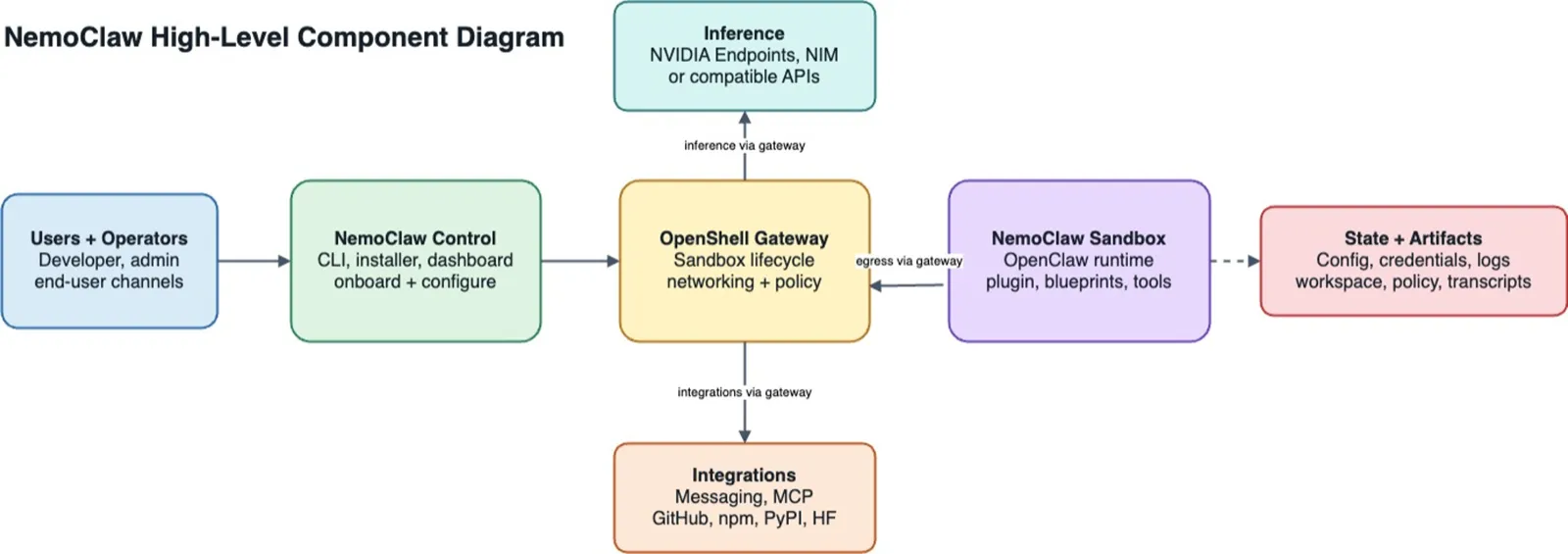
NemoClaw 其實不算替代品。它是 NVIDIA 的技術堆疊,用來在 OpenShell 沙箱中執行 OpenClaw、Hermes Agent 或 LangChain Deep Agents Code;網路目的地在操作者核准前一律封鎖,憑證也保存在沙箱之外。如果你喜歡 Hermes,只是不想讓它毫無約束地執行,這能讓你繼續使用它。
代價是資源需求和成熟度:至少 8 GB 記憶體、2.4 GB 的沙箱映像檔、仍處於 alpha 階段,而且除非你設定 NEMOCLAW_DISABLE_TELEMETRY=1,否則會傳送遙測資料給 NVIDIA。NemoClaw 是什麼說明了它的架設方式。
該選哪一個
- 因為指令沒有沙箱而離開:選 ZeroClaw;如果你本來就在用 Claude Code,選 NanoClaw。
- 因為沒有手機 App 而離開:選 OpenClaw;如果你也想要沙箱,選 Rakazo。
- 喜歡 Hermes 但想要隔離,而且有足夠的硬體:選 NemoClaw。
Hermes 類型以外的完整陣容,請看我們的最佳開源 AI 代理清單。
替代方案
Personal AI agent in one Rust binary, MIT or Apache-2.0, with local or cloud models, 30+ channels, approval gates and an OS sandbox on by default.
Meets every check: one Rust binary, approval gates and an OS sandbox on by default, no telemetry, local models.
前往 ZeroClaw優點
- Safe defaults: the recommended profile asks before medium-risk actions, blocks high-risk ones, keeps files in the workspace and runs tools in an OS sandbox
- One small Rust binary with one config file, running on macOS, Linux, Windows and boards like a Raspberry Pi
- More than 30 channels, plus a web dashboard for chat, memory, config and cron
- Provider fallback chains, local models through Ollama, and cryptographic receipts for tool calls
- States plainly that it sends no telemetry and needs no cloud account or license server
缺點
- Slack, iMessage, Signal and several other channels are not in the standard release; you build from source with extra features to get them
- `zeroclaw quickstart` only sets up the model provider; channels and risk profiles mean editing the TOML config file
- The Docker sandbox backend isn't picked automatically under the default native runtime
- Model costs are on you
Free, MIT-licensed personal AI agent that runs on your own computer and takes orders from WhatsApp, Telegram, iMessage, Slack and 20+ other chat apps.
The biggest ecosystem and every chat app, but sandboxing is off and telemetry is on by default.
前往 OpenClaw優點
- Free and MIT licensed, with no paid tier
- Runs on your own hardware, and state, memory and credentials stay there
- Works in 29 chat channels, including WhatsApp, Telegram, iMessage, Slack, Discord and Microsoft Teams
- Model-agnostic: 64 model and media providers, plus local models
- Large ecosystem of skills and 142 official plugins, and very active development
缺點
- Model costs are on you and can run high: testers and users have reported spending over $100 in a day with expensive models
- Sandboxing is off by default and the agent can run commands on the host unless you turn on approvals
- Setup and upkeep expect comfort with the command line; maintainers warn it is risky for non-technical users
- Broad access to email, messages and the system makes prompt injection and malicious third-party skills a real risk
Small, MIT-licensed OpenClaw alternative that runs each agent in its own Docker container and chats with you on WhatsApp, Telegram, Slack, Discord and more.
Every agent in its own container and a tiny codebase, but tied to Claude Code and sends setup diagnostics by default.
前往 NanoClaw優點
- Every agent runs in its own Docker container and sees only the folders you mount, so shell access stays off your host
- Small codebase (one host process and a handful of files) that you customize by having Claude Code edit your fork
- Agents never hold raw API keys: outbound calls go through a credential gateway with per-agent policies and rate limits
- Many chat channels, including WhatsApp, Telegram, Slack, Discord, iMessage, Teams, Matrix and email, with one or several agents per channel
- Scheduled tasks with optional script gates that skip waking the agent when there's nothing to do
缺點
- Built around Claude and Claude Code: customizing, debugging and adding channels all go through Claude Code
- Sends anonymous setup diagnostics unless you set NANOCLAW_NO_DIAGNOSTICS=1
- No config files by design, so every change means editing code in your own fork
- Needs Docker, and Windows only works through WSL2
Open-source, self-hostable platform for persistent AI bots that each get a job, a computer, memory and routines, using the model you choose.
Our own product. Meets every check: Apache-2.0, sandboxed bot computers, no telemetry by default, any model you connect.
前往 Rakazo優點
- Open source (Apache-2.0) and fully self-hostable, including with local models
- Choice of model per bot, including existing Claude or ChatGPT subscriptions
- Bots keep working on schedules and triggers with their own cloud computer
- Approval controls over which actions a bot may take on its own
缺點
- Still in beta, with frequent releases
- You supply and pay for the model on the hosted plans, unless you buy Rakazo credits
- Telegram, WhatsApp and iMessage/SMS are only available when self-hosted
- More setup than a single chat app
NVIDIA's Apache-2.0 stack for running OpenClaw, Hermes or Deep Agents inside locked-down OpenShell sandboxes with managed inference. Alpha.
Puts OpenClaw or Hermes in a locked-down sandbox, but it's alpha, heavy to run and sends telemetry by default.
前往 NemoClaw優點
- Puts OpenClaw or Hermes Agent in a sandbox with network, filesystem and process controls instead of running it on your host
- Unapproved network destinations are blocked and surfaced for an operator to approve
- Inference, messaging and MCP credentials stay outside the sandbox
- Backed by NVIDIA, with local inference through Ollama, vLLM or NIM and a tested path on DGX Spark
缺點
- Alpha: maintainers support it on a best-effort basis, and several channels are experimental
- A wrapper, not an agent: what the bot can do depends on the OpenClaw or Hermes version inside
- Heavier than running the agent alone: 8 GB RAM minimum, a 2.4 GB sandbox image and a container runtime
- The CLI sends operation telemetry to NVIDIA unless you set NEMOCLAW_DISABLE_TELEMETRY=1
功能
來源
Hermes Agent
- NousResearch/hermes-agent on GitHub (MIT, v0.23.0)
- Hermes Agent homepage and Nous Portal pricing
- Hermes Agent documentation
- Hermes Agent docs: Profiles, running multiple agents
- Hermes Agent docs: Bot Mode
- Hermes Agent docs: Voice mode
- Hermes Agent docs: Vision and image paste
- Hermes Agent docs: iMessage via BlueBubbles
- Nous Research on X: Meet Hermes Agent (February 25, 2026)
- Hermes Agent docs: Session heartbeats and cron watchdogs
- Hermes Agent docs: FAQ (Is my data sent anywhere?)
- Hermes Agent docs: Installation (desktop packages, install script, Docker)
- Hermes Agent docs: Platform support (no Linux desktop package; PyPI installs unsupported)
- Hermes Agent docs: Docker setup
- Hermes Agent docs: Configuration (terminal backend defaults to local)
- Hermes Agent docs: Security (approval modes, optional container isolation)
- Hermes Agent docs: Local models
- Hermes Agent example config (shared metrics off by default)
ZeroClaw
- zeroclaw-labs/zeroclaw on GitHub (MIT OR Apache-2.0, v0.8.7, README)
- ZeroClaw website
- ZeroClaw docs: Sandboxing
- ZeroClaw source: risk presets (Balanced, recommended, has the sandbox on)
- ZeroClaw docs: Channels overview (default and standard release bundles)
- ZeroClaw docs: You own it (no telemetry)
- ZeroClaw docs: Docker and containers
- ZeroClaw source: tools (image generation, screenshot, web)
OpenClaw
- OpenClaw homepage and Foundation section
- OpenClaw integrations: channels, providers and plugins
- openclaw/openclaw on GitHub (MIT, v2026.11.1)
- OpenClaw docs: Sandboxing (off by default)
- Wikipedia: OpenClaw
- Notebookcheck: OpenClaw can burn through hundreds of dollars per day
- OpenClaw docs: Memory overview
- OpenClaw docs: Automations
- OpenClaw docs: Chat channels
- OpenClaw docs: iMessage
- OpenClaw docs: Heartbeat, now a default Proactive check job
- OpenClaw docs: Multi-agent routing
- OpenClaw docs: Platforms (macOS, Windows, Linux, iOS and Android apps)
- OpenClaw docs: Tools (exec, browser, web search)
- OpenClaw docs: Audio and voice notes (inbound transcription)
- OpenClaw docs: Image and media support (inbound media)
- OpenClaw docs: Install (system requirements, installer script, npm, desktop apps, Docker)
- OpenClaw docs: One-click deploy on Railway
- OpenClaw docs: Usage telemetry and update checks (on by default, feature statistics opt-in)
- OpenClaw docs: Ollama provider (local models)
NanoClaw
Rakazo
- Rakazo homepage
- Rakazo pricing
- Rakazo privacy policy
- Rakazo on GitHub (README and license)
- Rakazo changelog
- Rakazo releases
- Rakazo docs: Image and video generation
- Rakazo docs: Memory
- Rakazo docs: Connect apps
- Rakazo docs: Routines
- Rakazo docs: Chat apps
- Rakazo docs: Messaging apps (self-hosting)
- Rakazo docs: Bots and chats (add another bot, bot templates)
- Rakazo docs: Groups (several bots in one chat)
- Rakazo docs: Mobile app (notifications)
- Rakazo privacy policy (updated Sep 14, 2026)
- Rakazo privacy policy source on GitHub
- Rakazo docs: Logs and monitoring (product analytics off by default)
- Rakazo docs: Desktop app (run locally in Docker, updates)
- Rakazo docs: Docker computers
- Rakazo docs: Self-hosted models (Ollama, LM Studio)
- Rakazo Railway template setup guide
NemoClaw
- NVIDIA/NemoClaw on GitHub (Apache-2.0, README: supported agents, alpha status)
- NemoClaw docs: Overview
- NemoClaw docs: Prerequisites and platforms
- NemoClaw docs: Choose an inference provider (Ollama, vLLM, NIM)
- NemoClaw docs index: messaging channels (WhatsApp, Teams, Google Chat, WeChat experimental)
- NemoClaw source: telemetry delivery and NEMOCLAW_DISABLE_TELEMETRY